Kyrgyzstan is known not for its ancient mausoleums, but for its virgin mountains, alpine lakes, and green pastures.
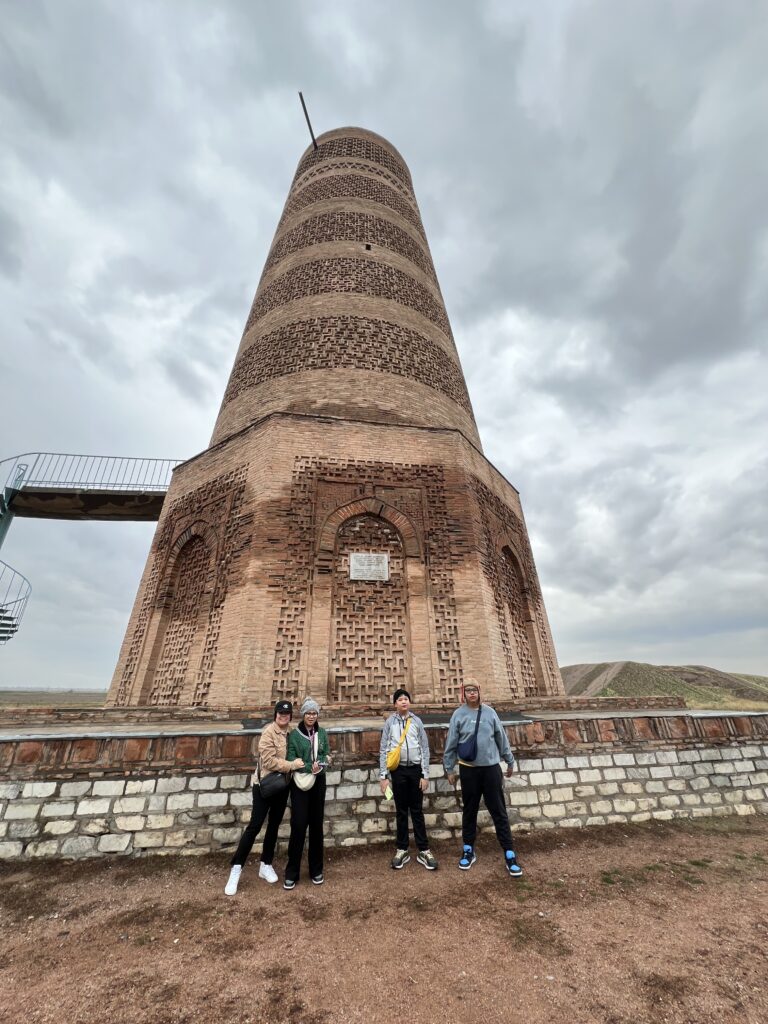
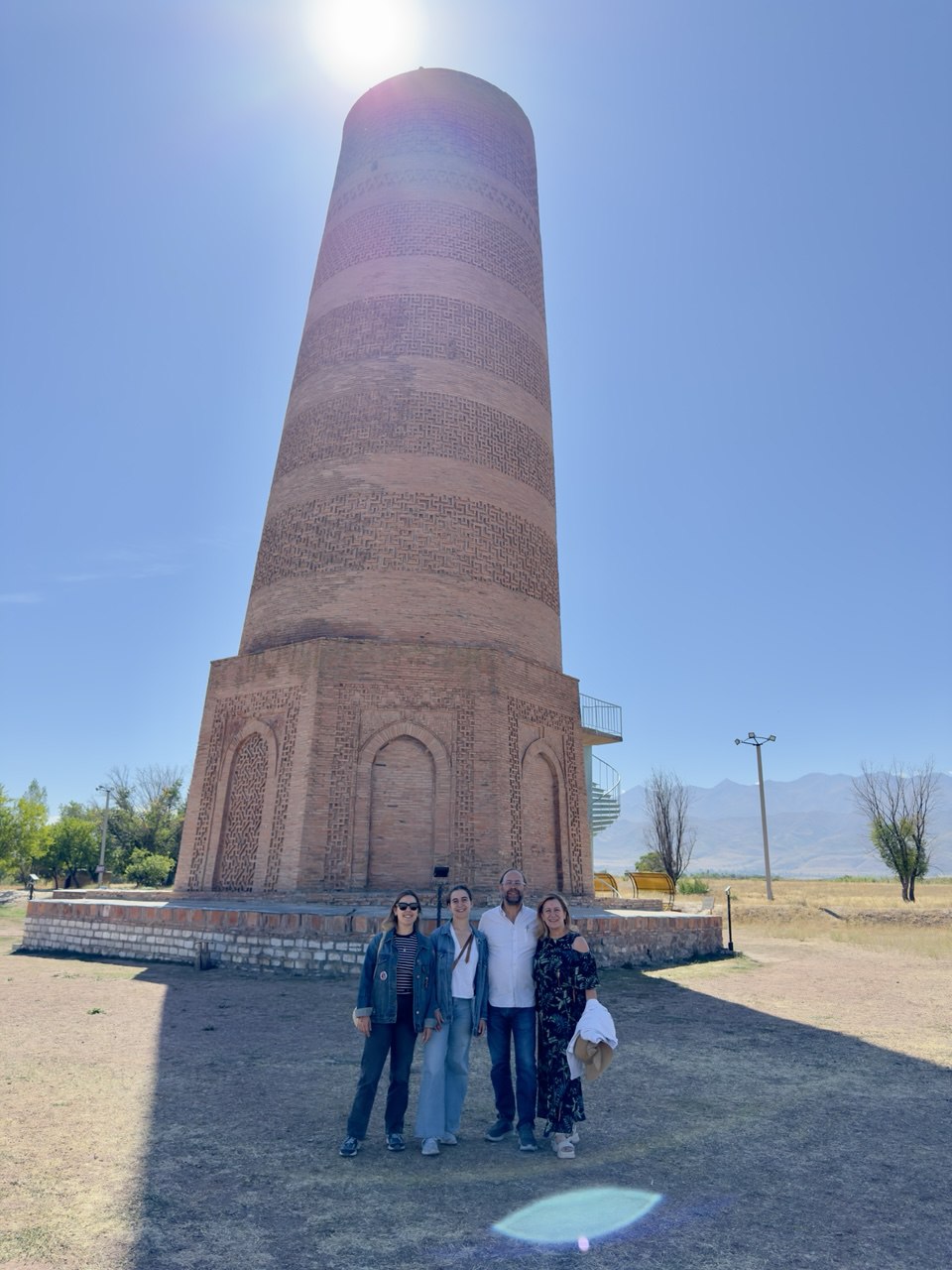
However, there are a few cool historical sites scattered throughout the country. One of the most interesting (and definitely the most accessible) of these is Burana Tower, an 11th-century minaret that lies just 60 km east of Bishkek. This minaret is one of the last remaining vestiges of the ancient city of Balasagun, the former capital of the Karakhanid Khanate.
Suyab & Balasagun
Before there was Balasagun, there was Suyab. Settled around the 5th century CE, the city was home to Sogdian traders and an early Turkic khaganate for a good century. It became part of the Chinese Tang empire in the 7th and 8th centuries, before it returned to Turkic hands for good.
During the Tang period, the city possibly gave birth to Kyrgyzstan’s most famous son, Li Bai. Unknown to Kyrgyz ears, he is revered in the Chinese-speaking world as the greatest of poets, popular to this day.
In the 11th century, Suyab was abandoned for nearby Balasagun, where the Burana Tower still stands. The ruins and archaeological excavations of Suyab are now called Ak-Beshim, located around 15 km from Burana.
The minaret originally stood 45 m tall, but an earthquake in the 15th century destroyed the upper half of the tower, and it now tops out at 24m. Still, it’s quite an impressive structure. Like many monumental brick constructions from this era, the minaret leans ever so slightly to one side.
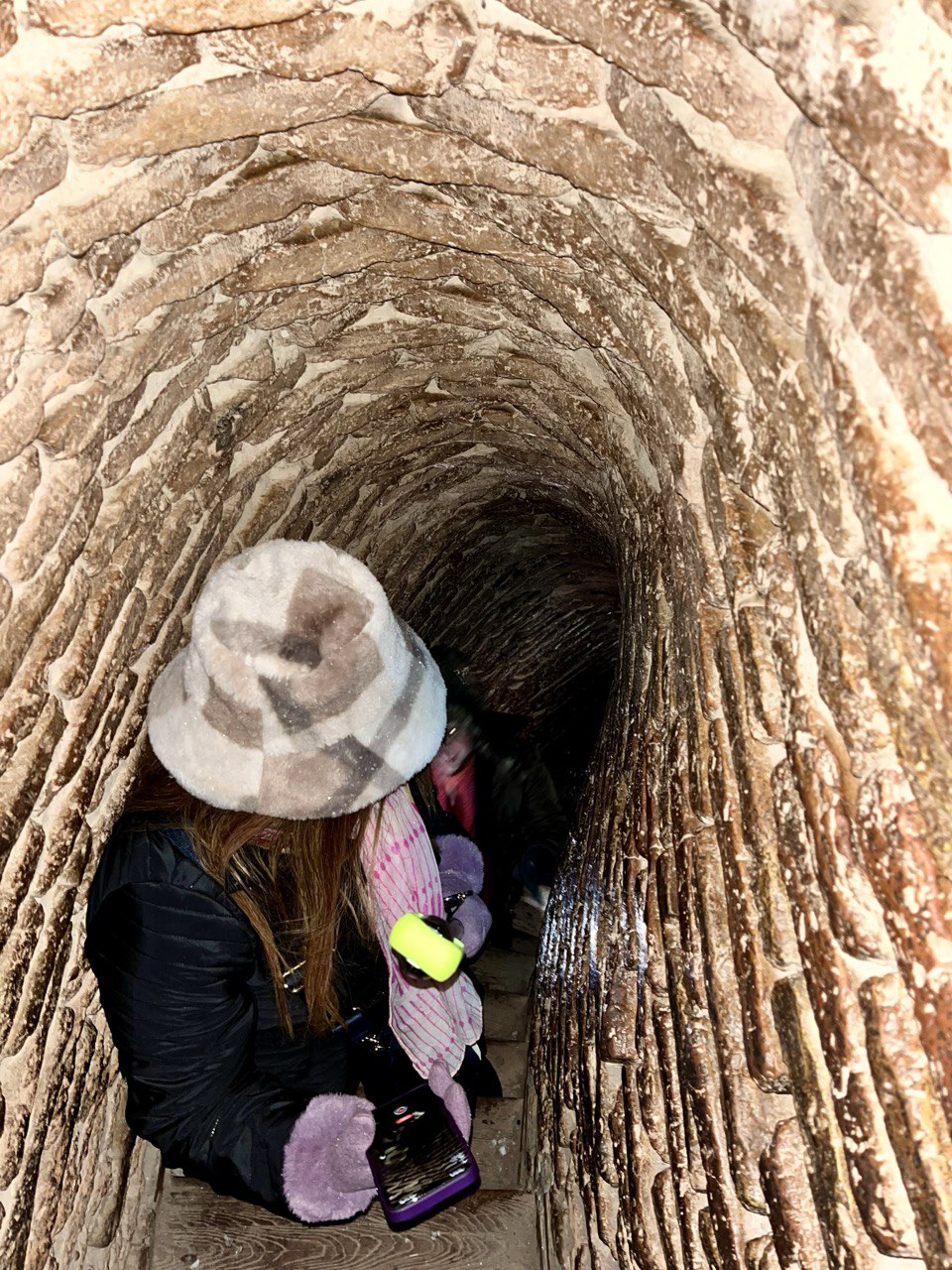
That it has survived complete destruction in one of the most seismically active regions in the world testifies to its structural robustness.